
High Water Bill in Denton? Here’s How to Tell If It’s a Sprinkler Leak
Why Did My Denton Water Bill Suddenly Spike?
Did you just open your statement from Denton Water Utilities and experience a sudden shock? A surprisingly high water bill can be a frustrating and confusing experience for any homeowner. If your water usage patterns haven’t changed—you haven’t filled a pool, hosted extra guests, or significantly increased your laundry—there is a good chance you have a hidden water issue.
While indoor plumbing issues like a running toilet or a dripping faucet can certainly contribute to a higher bill, one of the most common and expensive culprits for a sudden spike is an outdoor issue: an underground sprinkler leak.
A high water bill often signals an unseen problem in your irrigation system. This could be a hidden underground leak, a broken sprinkler head, a valve or zone stuck open, or even a meter misread. When you are asking “why is my water bill high denton”, your first step should be to run through a diagnosis checklist to see if your sprinkler system is the source of the problem. A prompt response can save you hundreds of dollars on your next utility bill and prevent further damage to your property.
How to Check If Your Sprinkler System Is the Problem
If you suspect your sudden high water bill might be related to your irrigation system, there’s a straightforward diagnostic process you can perform to narrow down the source. Finding a hidden sprinkler leak symptoms early is critical. Follow these simple steps:
Step 1: Turn Off All Water Usage
Before you check your meter, ensure that absolutely no water is being used inside or outside your home. Turn off all faucets, make sure the washing machine and dishwasher are not running, and confirm that no toilets are flushing.
Step 2: Check Your Water Meter for Movement
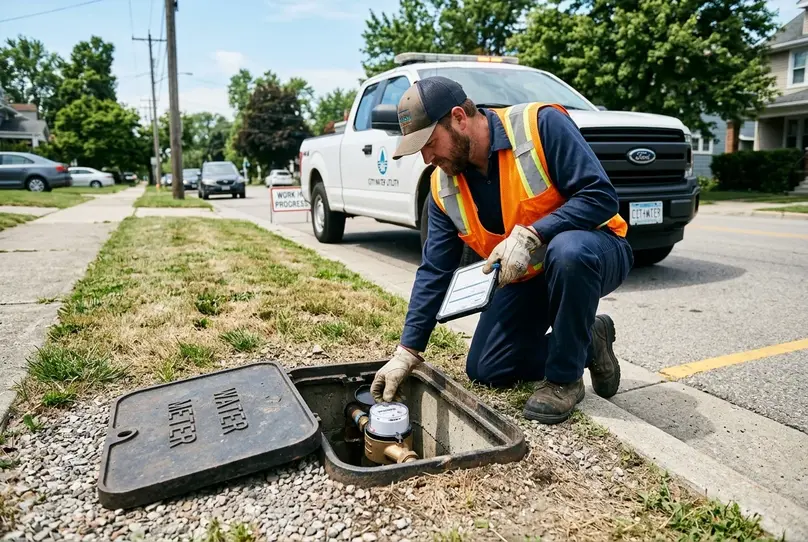
Locate your water meter (usually near the street or curb). Look at the low-flow indicator (often a small red or black triangle or star). If this indicator is spinning while all water in your house is completely shut off, you have a leak somewhere on the property.
Step 3: Determine if the Leak is in the Supply Line
If your meter is moving, you’ll want to find out if the leak is in the main supply line or the irrigation system. Locate your irrigation system’s main shut-off valve or backflow preventer and turn it off. Check the meter again. If the indicator stops spinning, the leak is located within your sprinkler system. If it continues spinning, the leak is likely in the mainline between the meter and the house, or indoors.
Step 4: Run Each Zone and Inspect for Leaks
If you have determined the leak is in the sprinkler system (or if the meter didn’t move but you still suspect the sprinklers), turn the irrigation water back on and run each zone one at a time for about 5 minutes. Walk your property and look for:
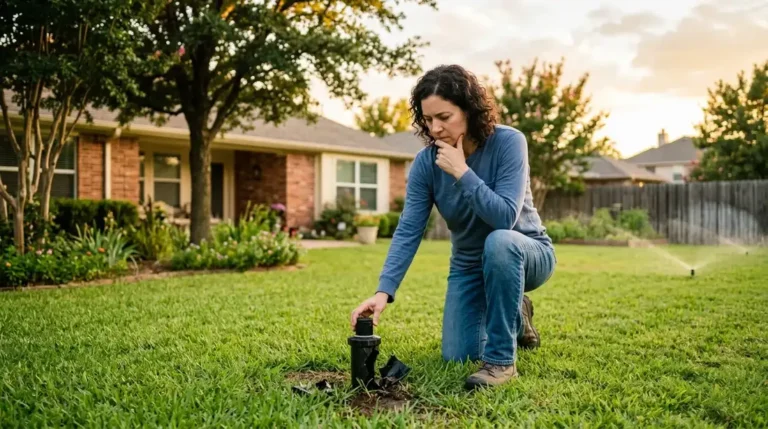
- Gushers or bubbling water coming from broken sprinkler heads.
- Unusually soggy, mushy areas or standing water in the yard.
- Unusually bright green patches of grass that are noticeably taller than the rest of the lawn, which can indicate an underground leak providing constant moisture.
If you notice any of these signs, you likely have an underground leak that needs immediate attention. Professional sprinkler leak detection Denton TX can pinpoint the exact location.

Why Denton Homeowners Are More Likely to Have Underground Leaks
If you live in Denton, you might be more susceptible to underground sprinkler leaks than homeowners in other parts of the country. The reason lies right beneath your feet: the local soil.
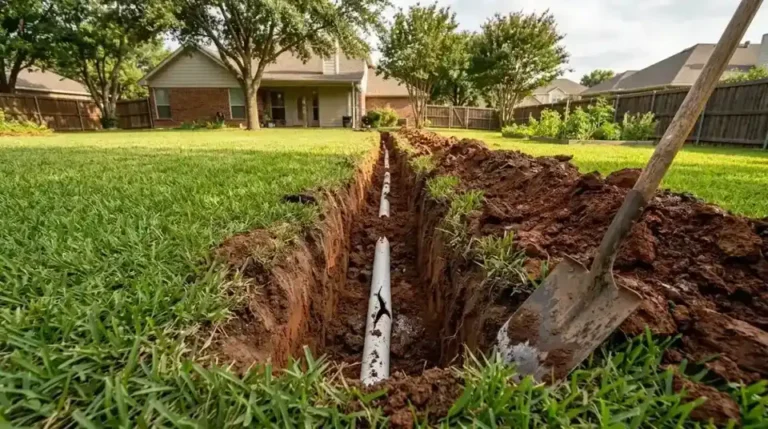
The Denton soil series consists of deep, well-drained but highly expansive clay soils. Texas Clay Soil is notorious for its dramatic shrink-swell cycles. During the hot, dry summer months, the clay soil shrinks, pulling away from pipes and causing the ground to crack and shift. When the heavy rains finally come, the soil swells rapidly, putting immense pressure on underground PVC pipe and fittings.
This constant movement acts like a slow-motion vice grip on your irrigation system, straining the joints, snapping PVC pipes, and causing hidden underground leaks. Understanding how Denton clay soil damages irrigation pipes is essential for Denton homeowners, as it explains why maintaining a flexible and well-monitored sprinkler system is so critical in this specific region.
What to Do If You Find a Sprinkler Leak
So, you’ve gone through the checklist and discovered that you do indeed have a sprinkler leak. What’s the next step?
- Don’t ignore it: An underground leak will not fix itself. Every day you wait, you are wasting hundreds or thousands of gallons of water, driving up your water bill, and potentially causing severe damage to your home’s foundation or landscape.
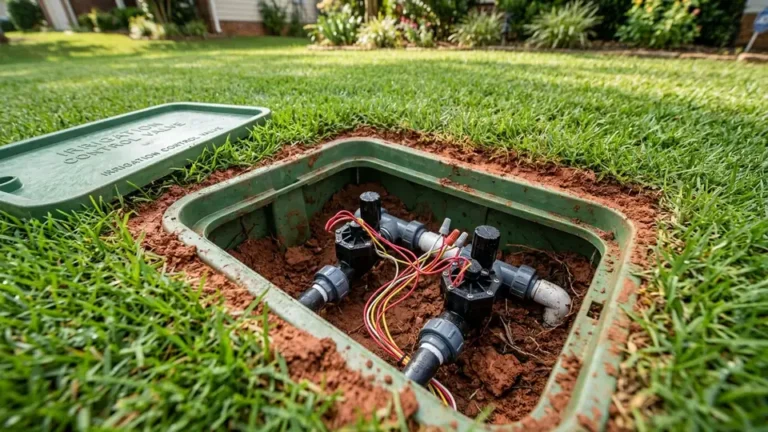
- Shut off the zone at the valve box: If you can identify which zone the leak is in, you can often turn off that specific valve at the valve box to stop the water flow to that area while keeping the rest of your system operational. Alternatively, you can shut off the water to the entire irrigation system at the backflow preventer.
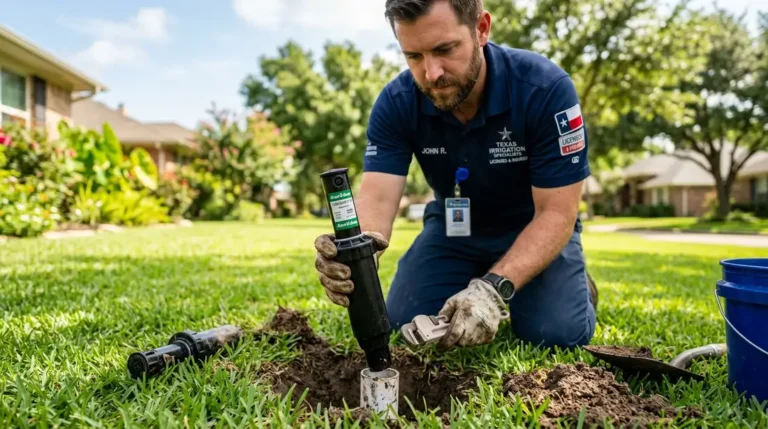
- Call a professional: While replacing a single broken sprinkler head might be a simple DIY task, repairing an underground PVC pipe leak is a job for an expert. DIY repairs on pressurized underground pipes carry significant risks, including improper seals that lead to larger leaks or inadvertently introducing dirt and debris into the lines, which can clog other sprinkler heads.
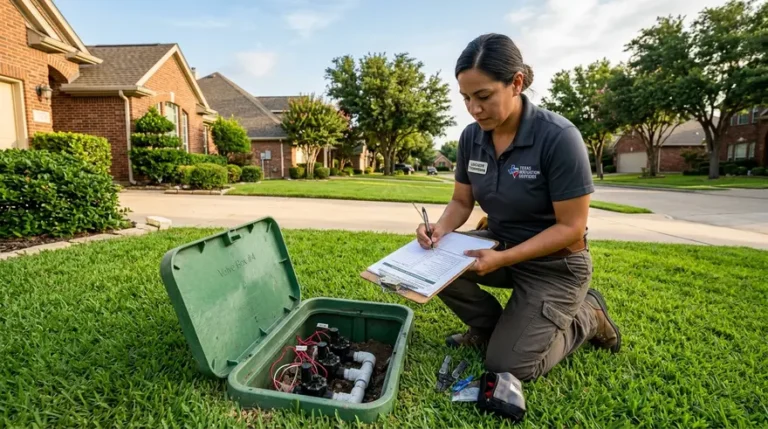
It is always best to call a TCEQ licensed irrigator for professional sprinkler repair in Denton TX. They have the tools and expertise to properly diagnose and repair the leak, ensuring your system runs efficiently and correctly.
High Water Bill and Sprinkler Leaks – FAQs
Don’t let a hidden leak drain your wallet. schedule a free estimate with our licensed professionals today to get your system back in top shape!