How Much Does Sprinkler System Repair Cost?
This is one of the most common questions we get, and it’s completely reasonable to ask. Nobody wants to hand over money without knowing what they’re paying for. The honest answer is that sprinkler system repair cost varies quite a bit depending on what broke, how accessible it is, and how long the diagnosis takes. But we can give you a clear picture of what goes into a repair bill so you can evaluate any quote with confidence.
What Actually Determines Sprinkler Repair Cost?
Sprinkler repair isn’t one thing. It’s a category that includes everything from swapping a single broken head to tracking down a buried pipe leak, diagnosing an electrical fault in the wiring, or servicing a malfunctioning backflow preventer.
The cost of any given repair comes down to these factors:
- Type of repair needed. Replacing a sprinkler head is a short job. Locating and excavating a broken lateral pipe under clay soil takes significantly longer.
- Diagnosis time. Some problems are obvious on arrival. Others require running each zone, checking pressure, and sometimes using probe equipment to find the source. That time is part of the job.
- Parts required. Rain Bird, Hunter, and Toro components are widely available, but commercial-grade parts or older system components cost more and sometimes have to be ordered.
- Labor time. A simple head swap in an open lawn bed takes less time than accessing a valve buried under a concrete pad or near a foundation.
- Number of zones or components affected. A single stuck valve is one repair. A system where the controller has been sending bad signals to six zones requires more diagnostic work.
- Whether the problem was caught early. A small pipe joint crack caught before summer watering season starts is a contained repair. The same crack after months of undetected leaking can mean soft turf, disturbed grade, and a bigger excavation.
Getting those factors right is what separates a fair quote from one that surprises you at the end.
Common Repair Types and What Makes Them More or Less Involved
Here’s a practical breakdown of the most common sprinkler system repairs and what affects the complexity of each one.
Sprinkler Head Repair or Replacement
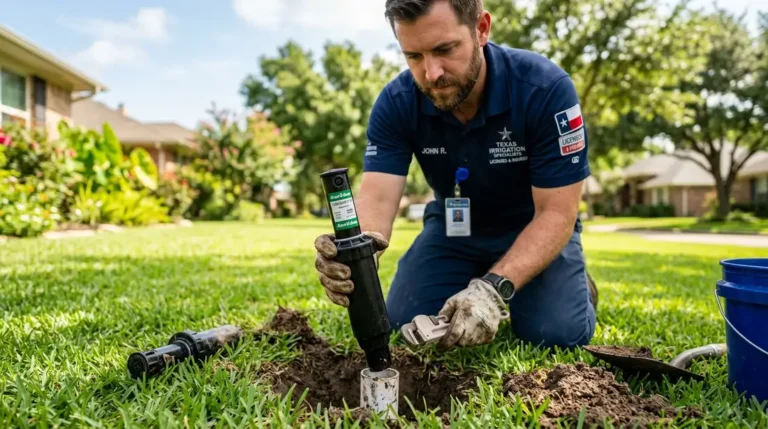
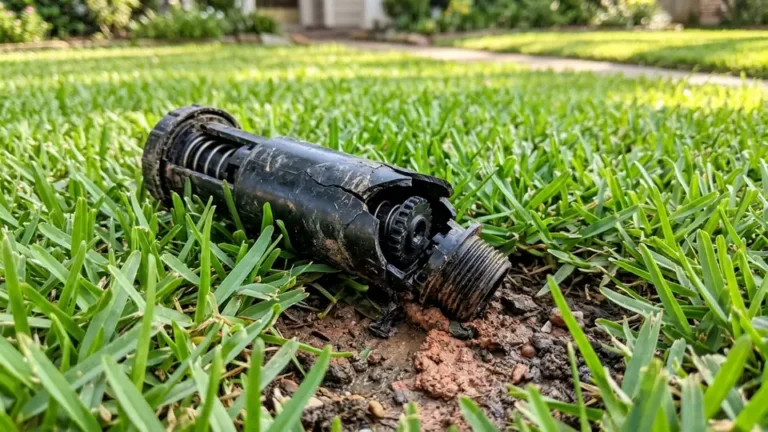
This is the most frequent repair call we handle. Heads break from mowers, crack from freeze-thaw cycles, wear out over time, or get shifted out of position as the ground settles. A single head in an accessible spot is a fast repair. Multiple heads across several zones, or a head that was installed at the wrong height or with an incompatible nozzle pattern, takes longer to correct properly. Sprinkler head repair Denton TX is the service we perform most often, and it’s worth a proper zone-by-zone check rather than replacing heads one at a time as they fail.
Valve Repair
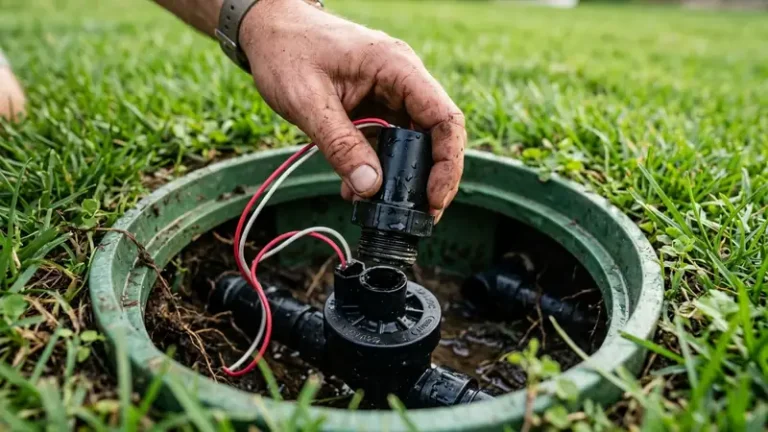
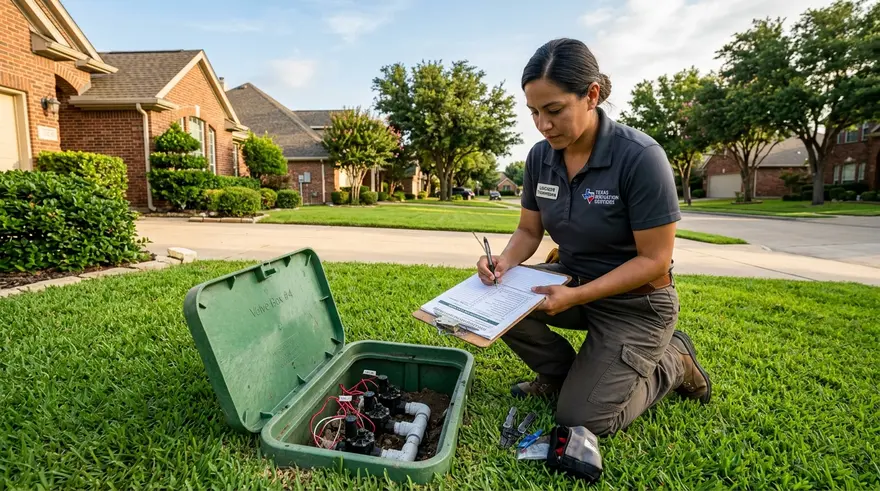
Zone valves fail in one of two ways: the zone won’t turn on, or it won’t turn off. Valve repairs range from replacing a solenoid to swapping out the entire valve assembly. The job goes quickly when the valve box is accessible and clean. It takes longer when the box has filled with dirt and roots over the years, which is common in neighborhoods in the older parts of Denton near downtown and around Hickory Creek Road.
Underground Pipe Leaks
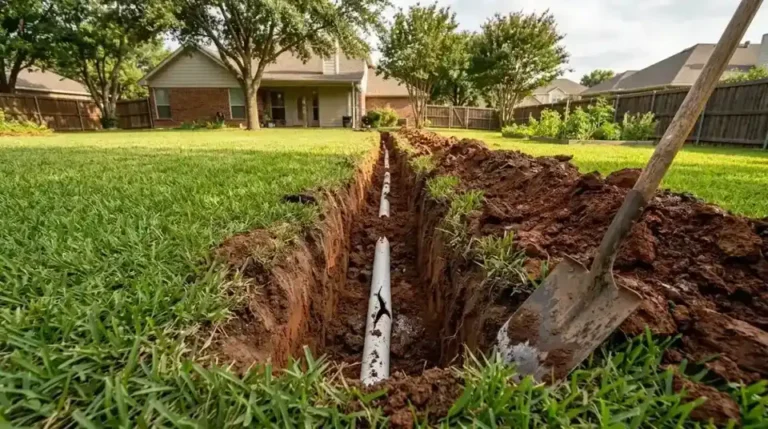
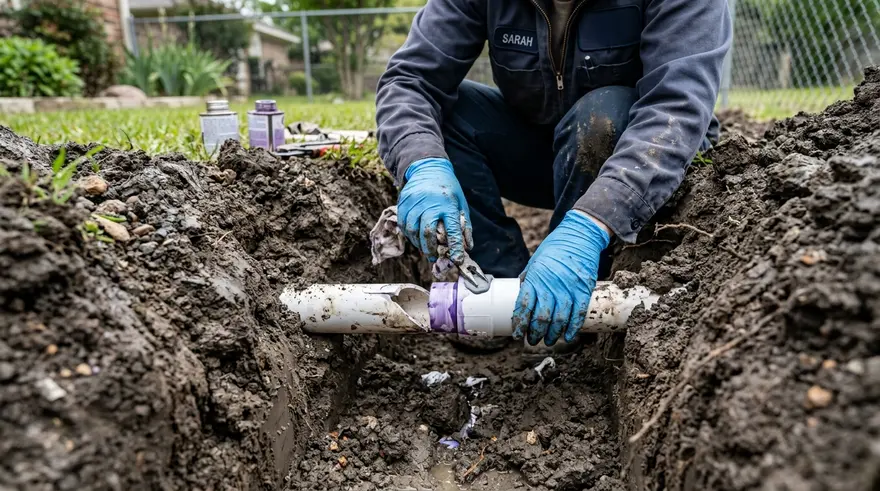
Buried pipe issues are the most variable repairs in terms of time and effort. Finding the break is the first challenge. We look at each zone’s pressure reading, check for surface signs like unusually green grass in one stripe or soft ground that shouldn’t be wet, and sometimes use locating probes to pinpoint the fault before digging. Once we know where it is, the excavation itself is more labor-intensive in clay-heavy soil, which compresses and holds moisture. After the repair, the site needs to be properly backfilled and compacted.
Controller and Wiring Issues
Sometimes nothing physical is broken. The controller has malfunctioned, or the wiring between the controller and a zone valve has corroded, been chewed through by pests, or shorted out. Wiring diagnosis is methodical work. You test each zone circuit at the controller, trace the fault, and isolate where the signal is dropping. It can take longer than a physical repair, but it often doesn’t require any digging once the source is found.
Backflow Preventer Repair or Testing
Denton Water Utilities requires a functioning backflow preventer on every irrigation system. If yours fails the annual inspection or starts leaking, it needs to be serviced. This is a regulated repair in Texas, and it must be performed by a TCEQ Licensed Irrigator. ProFlow holds that license. If you’ve been asked to have your backflow preventer tested or repaired, we handle that without you needing a separate contractor.
How to Get a Fair and Accurate Estimate
A few things you can do before and during the estimate process will help you get a more accurate quote and a clearer picture of what you’re actually hiring for.
Run every zone before the technician arrives. Note which zones have obvious problems: low pressure, heads that won’t pop up, soggy spots, zones that won’t activate or won’t shut off. The more information you can share upfront, the faster the diagnosis.
Ask for a full system inspection, not just a spot repair. A thorough technician will check all zones, the controller, the backflow preventer, and the main shutoff, not just the one head you called about. Problems caught during a walkthrough save you a return call.
Ask whether the quote includes parts and labor together. Some contractors quote labor only. Others include parts. Know which you’re getting before you agree to anything.
Confirm the technician is a TCEQ Licensed Irrigator. In Texas, working on existing irrigation systems is regulated. A licensed irrigator carries liability for their work and is accountable to the state board. This isn’t just a box to check. It means the person doing the work passed the state exam and knows the code.
Get the scope in writing. Even for a straightforward repair, a written scope describes what’s being done, what parts are being used, and what the job covers. It protects both parties.
Not Sure What Your System Needs?
If you’re not sure whether you’re looking at a simple repair or something more involved, the best next step is a diagnostic inspection. We serve Denton and the surrounding area, and we’ll walk you through what we found and what it will take to fix it before any work begins.
Our team is TCEQ licensed, so we can handle everything from head replacements to backflow certification. Give us a call or fill out our contact form and we’ll respond the same day in most cases.
Get a free estimate for your sprinkler system
Frequently Asked Questions About Sprinkler System Repair Cost
How much does sprinkler system repair typically cost?
Repair costs vary based on the type of repair, how long diagnosis takes, and which parts are needed. Simple head replacements are on the lower end. Underground pipe repairs, controller faults, or multi-zone inspections involve more time and therefore more cost. The best way to get an accurate figure is a professional on-site inspection before any work starts.
Does the type of system I have affect the repair cost?
Yes, to some extent. Older systems with discontinued Rain Bird or Hunter parts can require sourcing compatible replacements, which sometimes adds lead time. Systems with smart controllers like Rachio or Weathermatic have diagnostic ports that can speed things up. Drip irrigation components are generally less expensive to replace than rotor systems. That said, most standard residential systems in Denton use parts that are widely available and reasonably priced.
Should I repair my system or replace it?
That depends on the age of the system, how widespread the problems are, and whether the core infrastructure is still in good shape. Most systems in Denton-area homes built in the 1990s and 2000s are still worth repairing if the problems are isolated. If you’re dealing with multiple simultaneous failures across zones, a deteriorating mainline, and an outdated controller, a full replacement discussion makes sense. Our post on whether to repair or replace your sprinkler system lays out the decision framework in plain terms.
Why is sprinkler repair more expensive in clay soil areas?
Clay soil is significantly harder and heavier to excavate than sandy or loamy soil. When a repair requires digging, whether to access a buried pipe or a valve box that’s shifted over the years, clay soil adds to the time and physical effort involved. Clay also retains water after digging, which can slow down backfilling and compaction. This is worth knowing if you’re in parts of South Denton or areas close to Corinth where the soil is especially dense.
What’s included in a sprinkler system inspection?
A thorough inspection covers every zone, checking that heads pop up and retract correctly, that coverage patterns are adequate, that valves open and close cleanly, and that the controller is programmed and functioning. The backflow preventer should also be checked. A good technician will note anything that looks like it’s heading toward failure, not just what’s broken today.
Is sprinkler repair covered by homeowner’s insurance?
Generally, standard homeowner’s insurance does not cover irrigation system repairs that result from normal wear and age. Sudden, unexpected damage caused by a covered event, like a pipe burst from a freeze, may be eligible for a claim depending on your policy. It’s worth checking with your insurer, but most routine repairs and seasonal damage are out of pocket.
How long does a typical sprinkler repair take?
Most head and valve repairs are completed in a single visit, usually two to four hours depending on the number of issues. Underground pipe repairs take longer if the leak requires excavation. We give you a time estimate before starting so you know what to plan for. For sprinkler repair in Denton and the surrounding area, most jobs are completed the same day they’re scheduled.
Ready to Get a Clear Answer on Your Repair?
You shouldn’t have to guess at what’s wrong or what it will cost to fix. Our team comes out, runs the system, identifies every issue, and explains exactly what needs to be done before we start any work. No surprises.
ProFlow is TCEQ licensed and has been serving Denton homeowners for years. We handle everything from single broken heads to full system diagnostics and backflow certification.